
Prophet Muhammad (ﷺ) is honored as the last and final messenger of Islam, whose life, teachings, and legacy continue to guide more than 1.9 billion people worldwide. Born in Mecca in 570 CE, Prophet Muhammad’s (ﷺ) character and revelations transformed Arabia and the entire world forever.
Who Was Prophet Muhammad (ﷺ)?
Prophet Muhammad (peace and blessings be upon him) is regarded by Muslims worldwide as the final messenger sent by Allah (God) to guide humanity. Born in 570 CE in Mecca, he is a descendant of Prophet Abraham (Ibrahim) through his son Ismail (peace be upon them). Muslims believe he is the Seal of the Prophets (Khatam an-Nabiyyin), confirming and completing the message delivered by earlier prophets such as Adam, Noah, Abraham, Moses, and Jesus (peace be upon them all).
Early Life and Noble Character
Muhammad (ﷺ) was born into the noble Quraysh tribe, but lost both his parents at a young age. Orphaned, he was cared for by his grandfather, Abdul Muttalib, and later by his uncle, Abu Talib. From childhood, he was known for his honesty, integrity, and truthfulness — so much so that his community called him Al-Ameen, meaning “the trustworthy.”
In his youth, he worked as a shepherd and later as a respected merchant. At the age of 25, he married Khadijah bint Khuwaylid (RA), a successful businesswoman who became the first person to embrace Islam when the revelation came.
The First Revelation
At age 40, during a period of deep reflection in the Cave of Hira, Prophet Muhammad (ﷺ) received his first revelation through the Angel Jibreel (Gabriel). The first words revealed were “Read!” (Iqra) — marking the beginning of the message that would become the Holy Qur’an.
Over 23 years, the revelations continued, addressing faith, worship, ethics, family, social justice, and guidance for every aspect of life. Islam’s core principles include belief in the Oneness of God (Tawheed), regular prayers (Salah), charity (Zakat), fasting (Sawm), and pilgrimage (Hajj).
Facing Opposition and the Hijrah
When Prophet Muhammad (ﷺ) began to call people to worship one God and reject idol worship, he faced strong opposition from the leaders of Mecca. Despite increasing hostility and persecution of his followers, he remained patient and steadfast.
In 622 CE, due to mounting threats, he and his followers migrated to Medina, an event known as the Hijrah, which marks the beginning of the Islamic lunar calendar. In Medina, he established the first Islamic state, built on justice, equality, compassion, and mutual respect among different tribes and faiths.
The Prophet’s Teachings and Sunnah
Prophet Muhammad’s (ﷺ) life is a perfect model for Muslims to follow — his sayings, actions, and approvals are known as the Sunnah. He was known for his mercy, humility, forgiveness, and unwavering trust in Allah.
Key aspects of his teachings include:
- Upholding justice and kindness.
- Protecting the rights of women, children, and orphans.
- Promoting charity, honesty, and integrity in all dealings.
- Encouraging knowledge and the pursuit of truth.
His wife, Aisha (RA), described him as “a walking Qur’an,” because he embodied its teachings in daily life.
The Farewell Sermon
Shortly before his passing, Prophet Muhammad (ﷺ) delivered his Farewell Sermon during his last pilgrimage. In it, he emphasized:
- The equality of all human beings regardless of race or ethnicity.
- The rights and dignity of women.
- The importance of holding firmly to the Qur’an and his Sunnah.
- The value of brotherhood and unity.
This timeless sermon continues to guide Muslims and stands as one of the world’s greatest speeches on human rights and moral conduct.
Death and Timeless Legacy
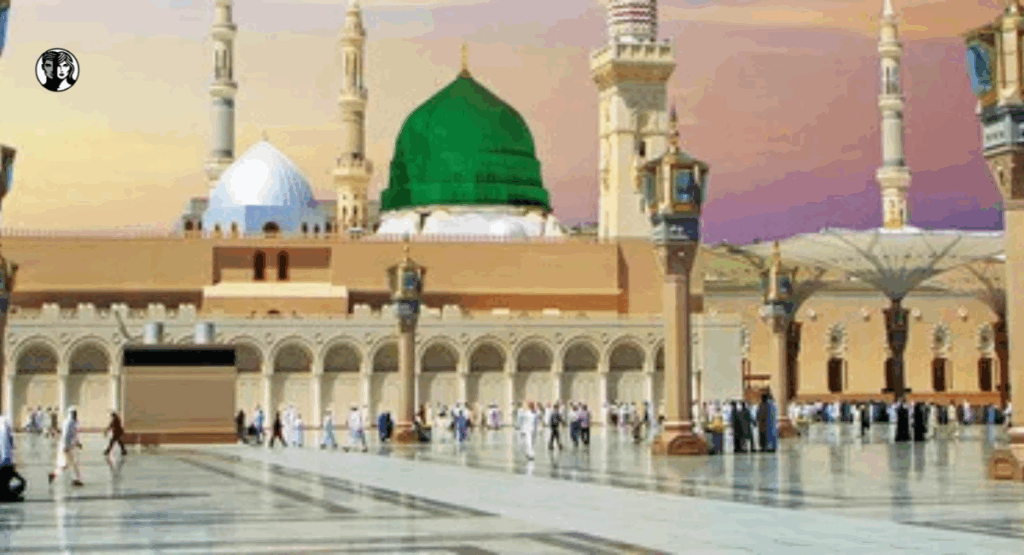
Prophet Muhammad (ﷺ) passed away in 632 CE at the age of 63 in Medina, where he is buried in the Prophet’s Mosque (Masjid al-Nabawi). His mission transformed Arabia and laid the foundation for a civilization that would stretch across continents, influencing millions of people through faith, law, culture, and values.
Today, over 1.9 billion Muslims worldwide regard him with deep love and respect, striving to emulate his teachings in their daily lives.
His Global Influence
The Prophet’s legacy extends beyond religious teachings:
- Islamic law (Sharia) and governance.
- Human rights and social justice.
- Contributions to science, art, architecture, and scholarship.
- Inspiration for leaders and movements advocating peace and equality.
Scholars, historians, and thinkers — Muslim and non-Muslim alike — have acknowledged him as one of the most influential figures in world history.
Final Thoughts
Prophet Muhammad (ﷺ) is not only the final messenger of Islam but a timeless example of integrity, mercy, and leadership. His life continues to inspire and guide people of all ages and backgrounds. For Muslims, loving and following him is an essential part of faith — an inspiration to uphold justice, compassion, and truth in every action.
🌟 Read More
If you’d like to explore other well-researched stories about inspiring people, modern success journeys, and digital creators, visit The Star Worths. Discover:
- Stories of new-age entrepreneurs.
- Net worth insights of global influencers.
- Real-life success lessons from around the world.
👉 Visit thestarworths.com to explore all blogs in one place.
Who was Prophet Muhammad (ﷺ)?
Prophet Muhammad ibn Abdullah (peace and blessings be upon him) was the final messenger sent by Allah to guide humanity. Born in Mecca in 570 CE, he is known as the Seal of the Prophets, confirming the messages brought by earlier prophets like Abraham, Moses, and Jesus (peace be upon them all). Muslims follow his teachings and example as a complete way of life.

✅ Why is Prophet Muhammad (ﷺ) called the Seal of the Prophets?
Muslims believe that Muhammad (ﷺ) is the last and final prophet, as mentioned in the Qur’an. This means no prophet will come after him. His mission completed the divine guidance that began with Adam (peace be upon him).
✅ What is the Sunnah of Prophet Muhammad (ﷺ)?
The Sunnah refers to the sayings, actions, approvals, and lifestyle of Prophet Muhammad (ﷺ). Together with the Qur’an, the Sunnah forms the foundation of Islamic teachings. Muslims study and follow the Sunnah to live their daily lives according to his example.
✅ What was Prophet Muhammad’s (ﷺ) final sermon about?
In his Farewell Sermon, delivered during his last pilgrimage, the Prophet (ﷺ) emphasized equality, justice, human dignity, women’s rights, and adherence to the Qur’an and Sunnah. It is regarded as a timeless guide for ethical conduct and human relations.
✅ How many Muslims follow Prophet Muhammad’s (ﷺ) teachings today?
More than 1.9 billion Muslims worldwide follow the Qur’an and Sunnah as the primary sources of guidance in their lives, striving to uphold his teachings in faith, worship, family, community, and society.
✅ Why do Muslims love Prophet Muhammad (ﷺ) so much?
For Muslims, loving Prophet Muhammad (ﷺ) is an essential part of their faith. They see him as the best example of compassion, honesty, patience, and mercy — a role model to follow in every aspect of life. His teachings continue to inspire billions to live with integrity and kindness.
🌙 Keep Exploring
If you’re interested in more inspiring stories, biographies, and success journeys, check out more posts on The Star Worths — where we share thoughtful articles about remarkable lives and achievements around the world.